
Enthuasiasts of Georgia migratory bird season have a lot to look forward to in 2025. As autumn arrives, birders can start watching for the waterfowl season. This is a thrilling time for both those who watch and those who hunt.
Georgia’s bird migration pattern will follow the same seasons as before. This means birders will have chances to see many waterfowl during their migration.
2025 will have a steady calendar with important dates. For example, there’s a Canada goose season in September (Sept. 7-29) and a teal season (Sept. 14-29). There will also be more hunting periods. September will have a special nine-day hunting period around Thanksgiving, adding 51 extra days for hunting.
Rules and bag limits are clear for everyone. This encourages people to enjoy the outdoors responsibly and with respect for nature.
Key Takeaways
- 2025 waterfowl season includes consistent dates and an extended nine-day hunting span around Thanksgiving.
- Understanding the bird migration in Georgia leads to better birdwatching and hunting experiences.
- Specific dates for Canada goose and teal seasons in September provide structured participation.
- Georgia birdwatching benefits from stable regulations and bag limits, ensuring sustainability.
- Accessible information and guidelines promote responsible enjoyment of Georgia’s natural bounty.
- Special days allocated for youth, veterans, and active-duty military honor and include diverse participants.
Understanding Migratory Bird Seasons in Georgia
Bird lovers and wildlife experts in Georgia look forward to the migratory seasons. These seasons are key for the balance of nature and beauty. They offer a chance to watch birds and highlight the need for caring for our environment.
Importance of Migratory Birds
Migratory birds are important for our ecosystems. They help pollinate and control pests. Their arrival shows that the environment is healthy. In Georgia, it’s important to protect these birds through hunting rules and conservation.
Timing and Duration of the Season
The state of Georgia works with the U.S. Fish and Wildlife Service to set hunting seasons. These seasons usually start in early September and end in late January. This allows hunters and birdwatchers to enjoy the experience without harming bird numbers. Special days like Federal Youth and Veterans Waterfowl Days add to the fun.
Patterns of Migration
The bird migration patterns in Georgia change due to climate and habitat. This affects when different birds come and go. For example, the Eurasian Collared Dove’s numbers are high, so they can be hunted all year.
Understanding these patterns makes watching birds in Georgia better. It also helps in protecting habitats and managing species. Georgia is a special place for birds and those who love to watch them.
Key Species to Spot During the Season
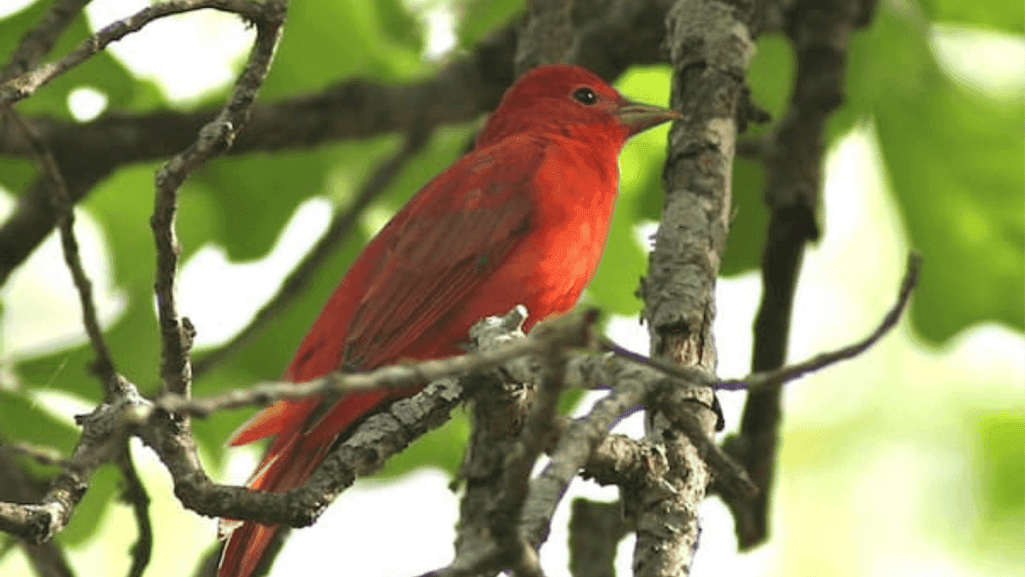
As the migratory season unfolds in Georgia, birdwatchers get to see a colorful array of birds. The Georgia bird population is key to the ecosystem. Spotting important species not only makes birdwatching better but also helps conservation.
Waterfowl
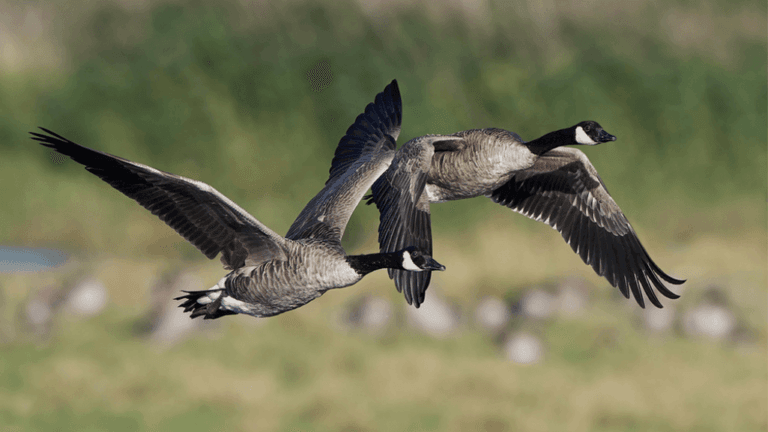
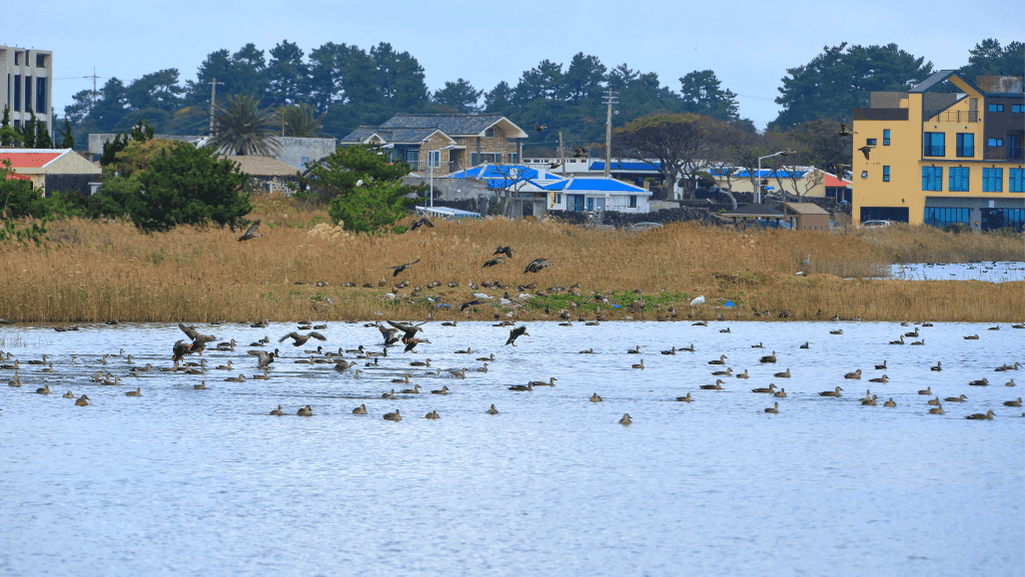
Canada geese, ducks, and mergansers are highlights of the season. They can be seen in Georgia’s wetlands and lakes. These birds draw both birdwatchers and researchers, who study their migrations and habitats.
Shorebirds
Shores and marshlands are home to birds like the Common Snipe. These birds are interesting because they’re hard to find and have special ways of finding food. Shorebirds help control insects and are important in the food chain. Watching them migrate can tell us about their health and habitats.
Songbirds
Songbirds add music and color to Georgia’s forests and cities during migration. Over 90 species of Neotropical migrants pass through Georgia. Birdwatchers can hear many songs and see different behaviors. The catbird, with its unique calls and diet, is a special bird to watch as it heads south.
Conserving these birds is critical. Many face threats like habitat loss and environmental changes. These issues affect their numbers and health. Organizations and the Georgia DNR’s Habitat Conservation Plan work to protect the Georgia bird population through sustainable practices.
From the geese’s haunting calls to the songbirds’ colorful displays, seeing these key species is rewarding. It shows the beauty and variety of local wildlife during Georgia’s migratory season.
Regulations and Licenses for Bird Watching
As the leaves change and the air cools, bird watchers and hunters head to Georgia. They enjoy the beauty of migratory birds. But, there are rules to protect the ecosystem. Knowing these rules helps with Georgia bird conservation efforts.
The Georgia hunting seasons for migratory birds are set to use birds wisely. Hunters need to know these times, as they change by species and area.
Necessary Permits for Bird Watching
Bird watchers need more than just binoculars and guides. They might need permits for observing migratory species. Photography or using recording gear in some places might require a special permit. Always check local rules before you go.
Legal Hunting Practices
- Daily Bag Limit: Hunters can’t take more birds than allowed for each species in a day.
- Field Possession Limit: Hunters must follow possession limits to avoid taking too many birds.
- Hunting Times: Legal hunting hours are from half an hour before sunrise to sunset for humane hunting.
Conservation Laws and Guidelines
Hunting must be done sustainably to protect birds. Georgia’s bird conservation efforts include using nontoxic shot and banning bird trafficking.
Buying a Georgia Migratory Bird Stamp helps with habitat and species management. It’s needed for migratory bird hunters aged 16 and older. The stamp costs $5 and is part of some sportsman licenses.
For special hunts, like alligator quota hunts, you need a specific permit. Keeping records and following guidelines is important.
Whether hunting or just watching, knowing Georgia’s rules is key. It makes for a good and responsible time in nature.
Best Locations for Bird Watching in Georgia
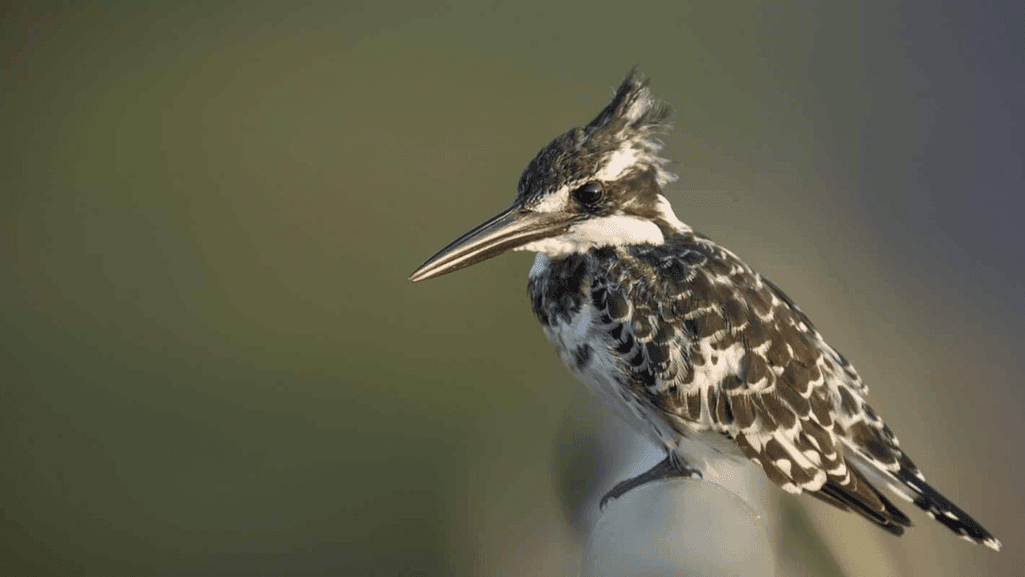
If you’re eager to see more birds in Georgia birding spots and enjoy Georgia wildlife viewing, the state has many great places. From the coast to the woods, each spot offers a unique view of birds.
Coastal Regions
Georgia’s coastlines are perfect for bird watching. Jekyll Island and Harris Neck National Wildlife Refuge are top choices. At Jekyll Island, you can see over 300 bird species, making it a top spot in the state.
Harris Neck is home to the state’s biggest wood stork colony and many ducks and waders.
Wetlands and Marshes
Wet areas like Altamaha Wildlife Management Area and Phinizy Swamp Nature Park are great for bird watching all year. These places, full of water, attract many waterfowl in winter. They are among the best for Georgia birding spots.
These wetlands are not just good for birds. They also help protect other wildlife.
Forested Areas and Parks
Kennesaw Mountain National Battlefield Park is a favorite for seeing birds migrate. It’s known for its bird shows in the fall. Piedmont National Wildlife Refuge is also great for bird watching, with many species like red-cockaded woodpeckers and Bachman’s sparrows.
Georgia’s bird watching spots are full of life and color. Whether you’re at Sweetwater Creek State Park or Clyde Shepherd Nature Preserve, you’ll have a great time. Each place welcomes both experienced birders and those new to nature.
Tips for Successful Bird Watching
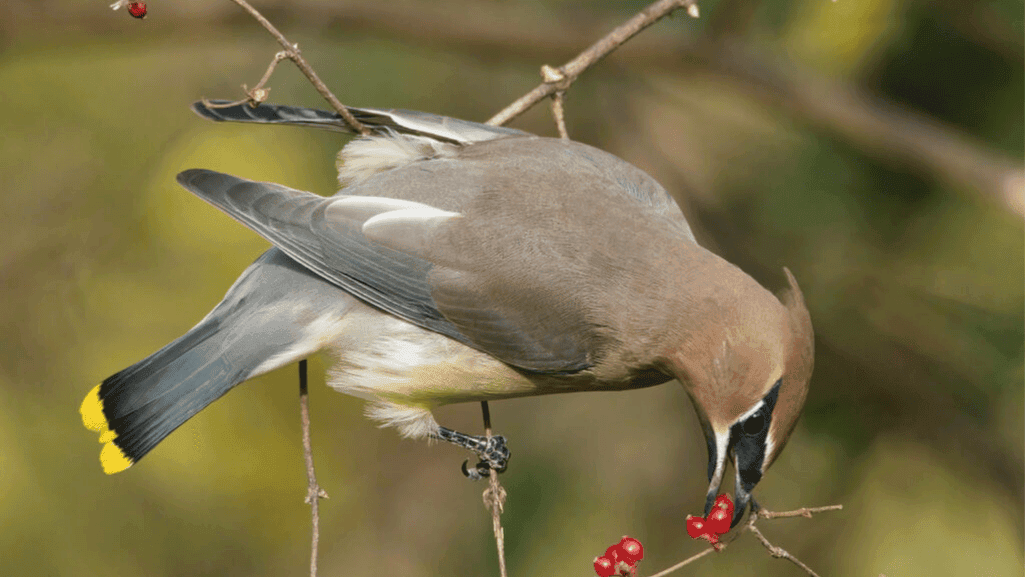
Georgia birdwatching tips start with preparation and knowing the environment. Whether you’re new or experienced, these tips will improve your birdwatching.
Essential Gear and Equipment
First, get high-quality binoculars for bird identification in Georgia. A field guide is also key for identifying species and their habits. Carry a notebook for notes and a camera for photos. Choose gear that’s simple and easy to carry.
Optimal Times for Bird Watching
The best times are dawn and dusk when birds are most active. These times let you see birds and their behavior. During migrations, these times are great for seeing many species.
Bird Identification Techniques
Knowing bird calls and their habits is key for bird identification in Georgia. Look at markings and colors during specific behaviors. Local groups and online guides, like bird watching for beginners, can help deepen your knowledge.
Using these tips will make your birdwatching trips successful. You’ll also help protect bird habitats and enjoy nature’s beauty. Every outing can be rewarding and educational, whether in coastal areas, state parks, or your backyard.
Community Engagement and Events
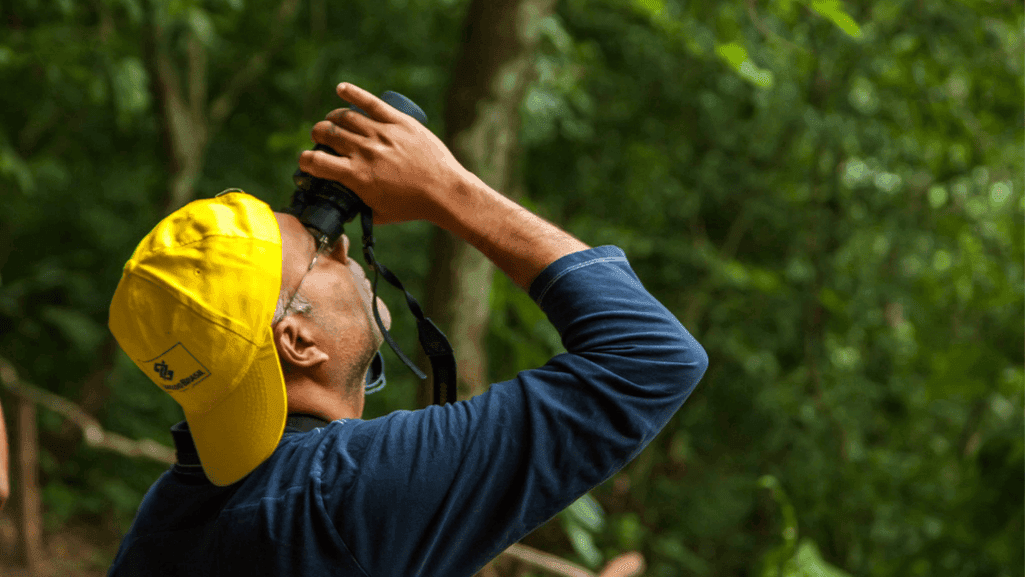
Getting involved in the Georgia birding community makes experiences better for everyone. It also helps everyone learn more about birds and their homes. This is key for bird lovers to grow their knowledge and love for nature.
Local Bird Watching Clubs
Local clubs in Georgia are the heart of bird watching. They offer places for people to meet, share bird sightings, and help with science projects. These clubs also plan trips to see bird migration events. This helps members get better at bird watching and learn about saving birds.
Educational Workshops and Programs
Georgia’s birding community learns a lot from workshops and programs. These are for all levels, from beginners to experts. They cover things like how birds migrate, their behavior, and how to protect them.
During the peak migration times, experts share stories of local birds’ journeys. This helps everyone understand the amazing travels of birds.
Annual Birding Festivals
The Georgia Bird Fest is a big event for bird lovers. It has demonstrations, tours, and talks from experts. It’s celebrating its 9th year and is more popular than ever.
These festivals are fun and teach people about birds. They create memories and a strong commitment to saving birds.
These activities are great for the Georgia birding community. They help everyone work together to protect bird migration. They also help people learn more about the environment.
Conservation Efforts for Migratory Birds
The health of migratory birds in Georgia is key to the state’s environment and economy. Efforts to protect these birds are more important than ever. The Okefenokee swamp, a vast ecosystem, is home to many migratory birds. But, it faces threats from mining plans by Twin Pines.
This highlights the need to strengthen conservation efforts. We must protect the birds’ habitats.
Organizations Focused on Bird Conservation
Groups like the Georgia Audubon and the Okefenokee Protection Alliance are leading the charge. They work with over 40 organizations to protect the Okefenokee. Their efforts attract around 600,000 visitors each year.
These groups show how teamwork can make a difference. Their efforts led to the withdrawal of the mining proposal in 2019.
How to Get Involved
There are many ways to help with bird conservation in Georgia. You can support local projects or spread the word about native plants. Advocating against threats to bird habitats is also important.
Joining citizen science projects is another way to help. You can contribute data to track bird migrations.
Impact of Climate Change on Migration Patterns
Climate change is affecting bird migrations, making conservation efforts critical. Changes in migration patterns and habitats require a flexible approach. Technology helps track these changes and guide conservation efforts.
This way, we can monitor and adapt to the effects of climate change. It helps protect the migratory birds that visit Georgia each year.
FAQ
What dates should I mark for the 2025 Georgia migratory bird season?
Important dates for 2025 include the Canada goose season from Sept. 7-29. The teal season is from Sept. 14-29. Duck hunting season runs from Nov. 23-Dec. 1 and Dec. 7-Jan. 26.
Canada geese hunting has extra dates: Oct. 12-27, and Nov. 23-Dec. 1, with Dec. 7 – Jan. 26 as well. Special hunting days for youths, veterans, and active-duty military are on Nov. 16-17, 2024.
What are the hunting regulations for migratory birds in Georgia?
Daily bag limits are 5 Canada geese, 8 snipes, and 6 ducks. Legal hunting hours are from half an hour before sunrise until sunset. Non-toxic shot is mandatory.
Possession of birds harvested by another without proper tagging is prohibited.
Do I need any special permits for bird watching and migratory bird hunting in Georgia?
Yes, a GA Waterfowl & Migratory Bird License is needed for hunters aged 16 and over. Hunters over 15 must also have a Federal Duck Stamp, now available electronically.
Where can I find the best birdwatching spots in Georgia?
Top birdwatching spots in Georgia include coastal areas, wetlands, and marshes. Forested areas and parks are also great. Special rules apply at Lakes Allatoona and Lanier, and designated Georgia Power Lakes in North Georgia.
What is the best equipment for birdwatching?
Essential gear includes binoculars for observing birds in their natural habitats. Knowing how to identify birds by their markings, behaviors, and calls is also key.
Can I contribute to bird conservation efforts in Georgia?
Yes, you can help by participating in habitat restoration projects and advocacy. Supporting organizations focused on migratory bird conservation and research is also beneficial.
What impact does climate change have on bird migration patterns?
Climate change disrupts migration timing and duration for many bird species. This requires adaptive management and conservation efforts to protect migratory bird populations.
Are there birdwatching events or festivals in Georgia?
Yes, Georgia hosts annual birding festivals. These events offer activities for both beginners and experts. They also include educational workshops and programs on bird behavior and conservation.